An important part of the work on the new curriculum for the Naprapathic Program is updating the program's course syllabi. The first, and also one of the most important, courses that students encounter is the anatomy course.
The anatomy learning environment will be characterized by interaction between students and teachers to stimulate active learning. The teaching will be based on "blended learning," which involves a mix of different learning environments, meaning traditional teacher-led lessons are combined with digital self-study components. This provides greater opportunities to adapt technology and pedagogy for different occasions. The work on designing the new syllabi is being carried out in collaboration with Per Palmgren, a senior lecturer at the School of Naprapathy and a researcher in pedagogy at Karolinska Institutet (KI). Per has also served on one of the working groups designing the new six-year medical program at KI.
Students go through the material digitally via preparatory studies, both individually and in groups. When they then meet with teachers and fellow students, they can continue working together but from a higher level, where shared time can be devoted to deeper study, analysis, individual adaptation, and feedback.
Synthesis lectures are a way for students to access digitally recorded video summaries of the most important and central knowledge presented during a teaching session.
A progress test is a written knowledge assessment (usually with multiple-choice questions) administered to all students in a study program simultaneously and at regular intervals (usually two to four times per year) throughout the entire program. Since the test covers several areas but only contains a limited number of questions within each, it is essentially impossible to cram for—which is the whole point. You could say the idea is for students to take tests to learn, rather than learn to take tests.
An exit test is a formative assessment tool that gives teachers a way to gauge how well students have understood the material they have learned during classroom instruction. The tool can be used daily or weekly, depending on the material being taught.
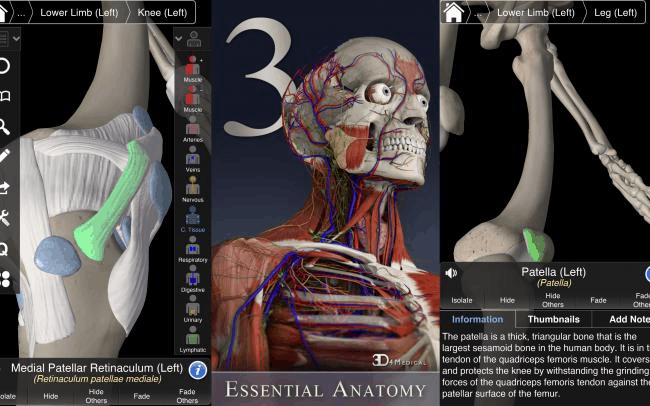
Over the past academic year, the use of the digital educational tool "3D4Medical" has already been introduced. The goal is to support student learning and ensure that the variety in teaching methods provides the best conditions for education of the highest quality!
Best regards,
Helène Schulte, Licensed Physician, PhD
Principal, School of Naprapathy